
Whoa, calm down. This is not an attack on white women (or their tears). So, how about you take a deep breath before you scroll down and read, okay?
Firstly, I’d just like to state one thing; there is a difference between a “white feminist” and a white woman who happens to be a feminist. So before you get all caught up in your feelings, please remember that point. That said, let’s break it down, shall we?
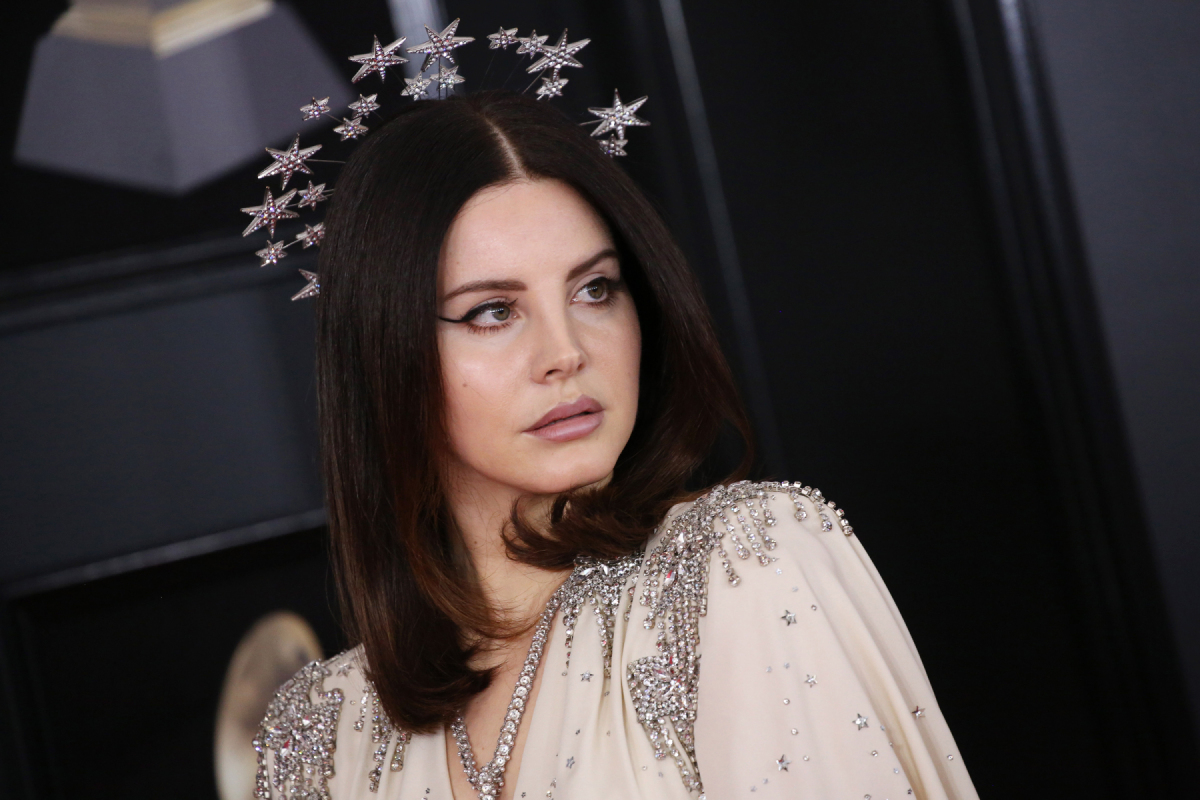
On May 21, singer-songwriter Lana Del Rey posted a lengthy statement addressing criticism that her music has faced.
https://www.instagram.com/p/CAcQPuBJdir/
Now while the Ultraviolence musician is free to express her frustrations with the music industry, that isn’t what bothered me. No one wants to hear that their work is a reflection of the male gaze so her needing to vent is understandable. However, her woe-is-me-becky energy is not what I’m here for.
Yes, Del Rey has never had a Billboard hit single ranking. However, she has had one song in the Top 10, sitting at number 6 for 23 weeks straight, as well as 13 charted songs in the Top 100 making me wonder how exactly she’s been systemically oppressed by the music industry.
Funny enough, Lana’s statement may seem random but it does come after, for the first time ever, the top two positions in the Billboard charts were held by four black women. Doja Cat, Nicki Minaj, Beyoncé, and Megan Thee Stallion made Billboard 100 history by becoming the first black women to hold the No. 1 and 2 spots. Some may even think that Lana using this opportunity to direct attention away from the accomplishments of four black women onto herself is peak white feminism, but more on that later.
Okay, but what criticism has Lana Del Rey faced?
I am a follower of Lana Del Rey’s music – just because I listen to her music doesn’t mean that I can’t call her out: STANS, take note. So, I can definitely confirm that what she said about the backlash her music has received isn’t untrue. She’s not only been accused of perpetuating the male gaze but also of encouraging unhealthy relationships.
For instance, her breakout song ‘Video Games’ spoke of a dismissive lover whom she still chose to profess her undying love for. Her 2014 hit ‘Ultraviolence’ features the problematic lines “he hit me and it felt like a kiss”, which some believed romanticized domestic abuse. Having said that, in a 2017 interview with Pitchfork, Del Rey seemed just as turned off as the rest of us, telling the magazine: “I don’t like it. I don’t sing that line any more.”
The musician even removed a song called “Cola” from her live shows because it referenced a Harvey Weinstein-like character and that’s not the type of energy anybody should be looking for.
So what’s the issue?
In her IG post (which should have been a WhatsApp message sent to her best friend, rather than a very public IG post), Lana not only borderline slut-shames other female artists, but she also implies that unlike the other women mentioned – women who only write and sing songs about wearing no clothes, cheating, and fucking – she puts out music that’s artful and deep.
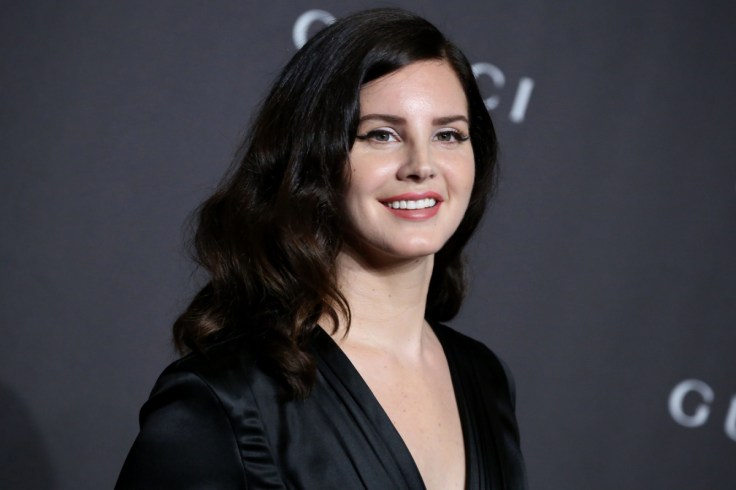
This is coming from a woman whose recently released and critically praised album Norman Fucking Rockwell! has a lyric that reads “you fucked me so good that I almost said I love you.”
Giiiirl, if you don’t go on somewhere and sing about cigarettes breaking your heart.
If that wasn’t bad enough, Lana’s post also implies that the success of the women she mentioned should be put into question because they haven’t faced the same criticism as she has.
Black female artists are criticized for setting the trends that Beckys adopt
Beyonce is arguably one of the greatest artists of all time, and yet she has been endlessly scrutinized for being “too black” or “too feminist” or “not black enough” or “not being feminist enough” (deciding to stay together with her philandering husband didn’t land well with some fans).
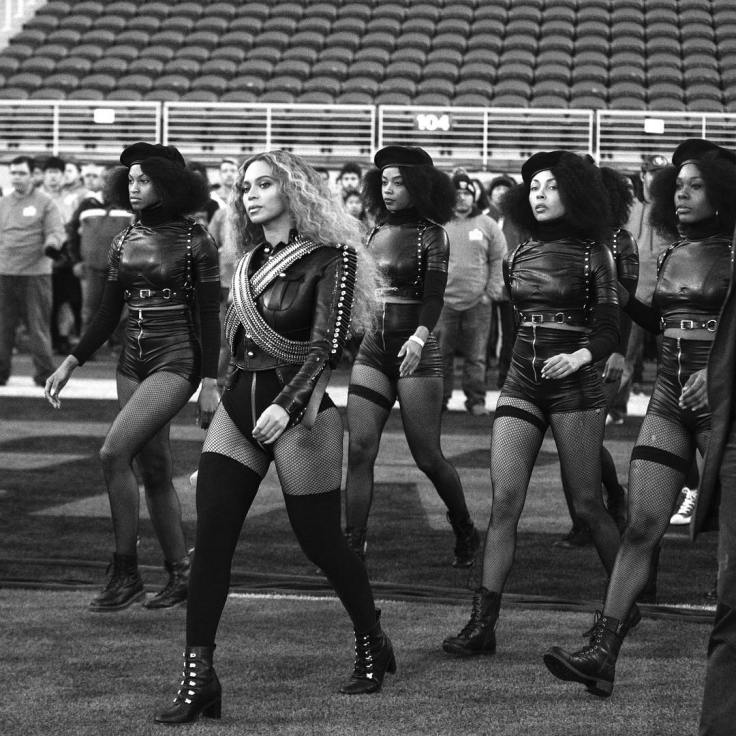
I mean, it got to the point where her team had to hire private security at venues for her Formation World Tour, as police officers labeled her views as “anti-cop” and they made plans to protest outside the venues while she performed. Her Superbowl performance looked like a Black Panther after-party and the visuals from her LEMONADE album highlighted police brutality.
Nicki Minaj, along with Cardi B, is confident in her sexuality, and each artist has rapped about their bodies. However, they’ve both received immense backlash (I once wrote a piece discussing Minaj’s Anaconda video that at the time I thought was a very thought-provoking feminist piece but it was laced with slut-shaming. #Growth).
Despite becoming the first solo female artist to win Best Rap Album at the 2019 Grammy Awards for her debut album Invasion of Privacy, Cardi continues to receive backlash and hate for her work and (former) lifestyle. Let’s also not talk about the fact that these two rappers were pitted against each other in the media as there can only be one bad bitch.
Pro-women, or just pro-white women?
I mean, Lana may not see it, but by condemning these women, she’s actually actively participating in the culture of vilification that she claims she’s being subjected to.
Lana claims that women like her have “slated mercilessly for being their authentic, delicate selves” which is bizarre considering the fact that society continues to make space for white women like Lana, presenting them as ‘soft’ and ‘delicate’, whereas black women are overtly sexual and aggressive.
Lana Del Rey asking for public support while simultaneously ignoring the struggles of other female musicians, particularly black women, is peak white feminism. It’s funny how she says that there needs to be “place in feminism for women who look and act like me” as if mainstream feminism does not already revolve around white, privileged women.
The problem with white feminism
No, white feminism is not feminism practiced by white people. Instead, it’s a form of feminism that only serves to prioritize white women, further minimizing and ignoring the experiences of women of color.
White feminism was the first wave of feminism, thanks to the suffragette movement led by Susan B. Anthony. The white-centered rhetoric adopted by early feminist movements led to third-wave feminism.
Third-wave feminism
Third-wave feminism emerged in the 90s all the way to the 2010s and it focused on intersectional factors — race, class, religion, gender, etc. It showed that gender equality is only possible if women from all classes, races, sexual identities, and economic and cultural backgrounds work together.
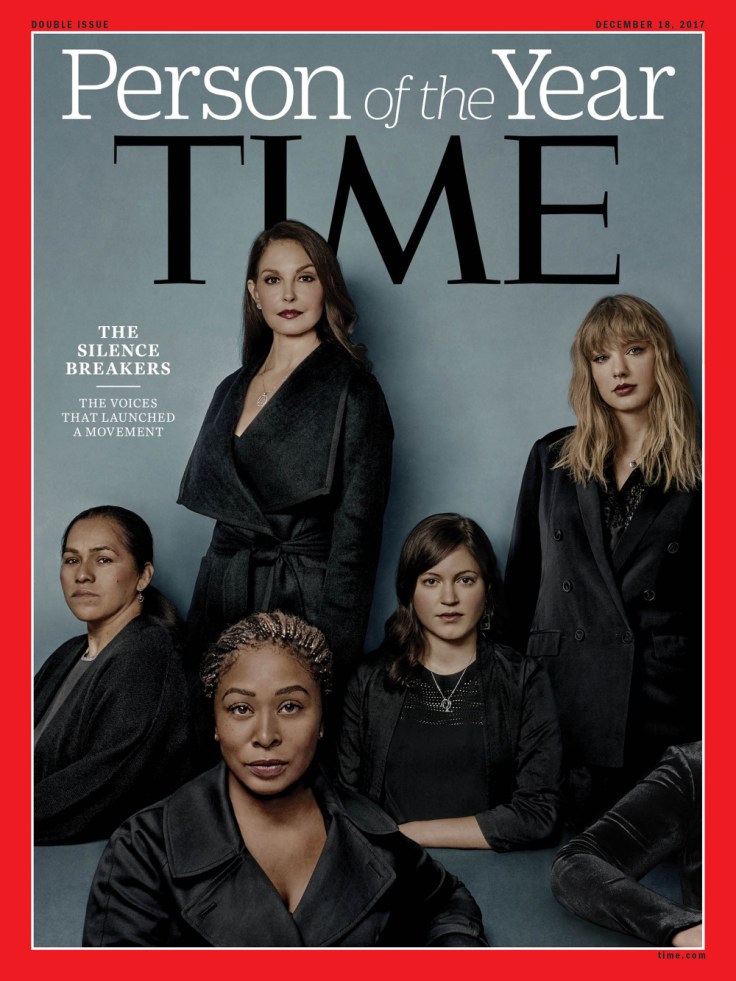
I try to consume as much feminist literature as I can but I soon realized that a lot of the feminist literature out there came from a place of whiteness (Thank the Gods for the gift that is Bell Hooks). Now, considering the fact that society has always positioned whiteness as the norm, feminism and feminist theory have placed white women at the forefront of conversations about gendered and sexual violence and workplace harassment. I mean the #MeToo movement was started by activist Tarana Burke in 2006, yet it only gained mainstream attention when Ashley Judd and Rose McGowan used the hashtag and were it not for TIME magazine’s 2017 Person of the Year cover, a lot of people wouldn’t have known that the #MeToo movement was started by a black woman.
Now I’m not saying that white women don’t face gender equality but while white women fight for gender rights, black women are fighting for black and gender rights. You cannot call yourself a feminist if you do not fight for the liberation of EVERYONE. White feminism is rooted in the desire of white women wanting to be equal to white men, and everybody below them should fend for themselves.
Lana Del Rey certainly isn’t the first woman to have her career picked apart by critics for the content of her songs, but she definitely hasn’t been as criticized as much as black female musicians. Lana moans about not being able to sing about dancing for money, but let’s be honest – if she did, she wouldn’t face as much backlash as Cardi B. I mean Lana has sung about abusive relationships and it’s safe to say that had a black woman done the same thing, it wouldn’t have been as well received.
Megan Thee Stallion was stuck in unfair and exploitative contracts. Taylor Swift has been involved in one of the biggest artist-label feuds this century has seen. TLC was stuck in one of the worst record deals of all time. Lana sweetie put the cigarette down, and listen. Instead of name-dropping your famous friends, what you should have done was name-dropped every record label head.
The real issue is the music industry that regularly sets out to exploit, stereotype, and strongly critique women. So come for the industry, don’t come for the women who have managed to find success in spite of the industry’s desire to tear them down as a result of their bodies, their lyrics, and their skin.
Maybe Black Twitter made her see the error of her ways?
Looking at her responses to the backlash, I doubt that.
 Pastry Playdates
Leave a comment