
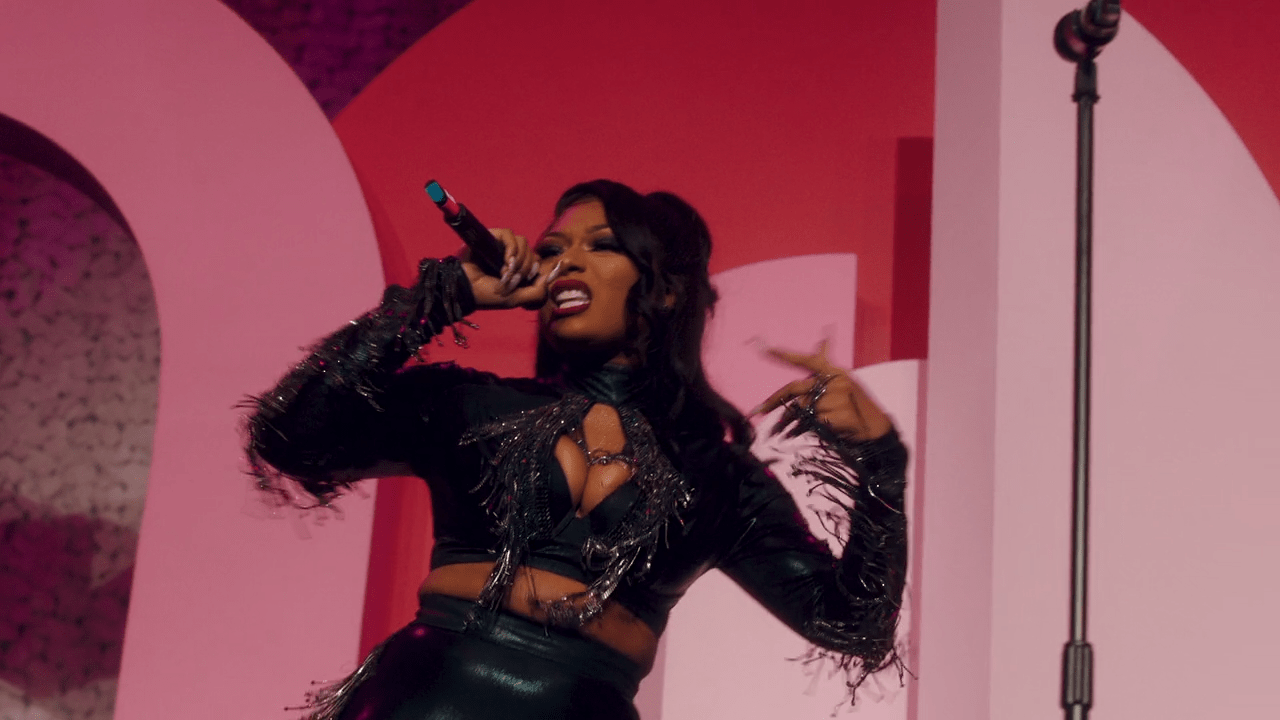
Granted, this post may come a little late, but black women still continue to be the most disrespected group in the world, so better late than never, right?
Earlier this year, Megan Thee Stallion was shot in Los Angeles and it soon emerged that the person responsible for her injuries was leprechaun rapper Tory Lanez. Now under normal circumstances, you’d think that the news of someone being shot would incite feelings of worry and concern. Your assumptions would be correct except you’re forgetting one thing – this is a black woman we’re talking about so of course Megan was mocked and ridiculed (including by light-skinned black women) and this of course sheds light on a common theme in black culture – the intentional disrespect and ridicule of black women, especially when it comes to their pain.
Misogynoir and the black male gaze
Misogynoir is a term coined by Moya Bailey in 2010. Moya said the term is meant to describe the particular brand of hatred directed at black women in American visual and popular culture.
Now my South African readers may be wondering what the hell does that have to do with us, but black men in this country are certainly not exempt from misogynoir. Take Coconut Kelz for example. A popular satirical character created by the incredibly talented Lesego Tlabi, Tlabi uses Coconut Kelz to incite conversations around social and political issues within South Africa. Now, while not everyone understands satire, that didn’t excuse the verbal abuse Tlabi received following a viral clip of Coconut Kelz discussing the issue of free education in South Africa. It’s one thing not to understand satire, but to use the opportunity to tell a black woman that she deserves to get raped and killed seems a little intense, don’t you think?
Lesego Tlabi isn’t the only woman with a platform who has had to face a barrage of assault that’s seemingly amplified as a result of her race and gender. Take Dr. Nkosazana Dlamini Zuma for one. (Now please let the record state that I am, in no way, a supporter of this woman, and what I’m about to say has little to do with how I feel about her and more about the issue of misogynoir in this country). The fact of the matter is that Dr. Dlamini Zuma is not the only woman in politics whose views deserve a good dragging. That said, while other women have been appropriately dragged, they have not been dehumanized as much as Dr. Dlamini Zuma, whereby they’ve been literally referred to as baboons and ticks. Not to mention the fact that she’s also regularly mocked for wearing a doek. (Yes, let’s make fun of a woman for wearing a doek…IN AFRICA).


That said, it’s not just on a local level that South Africans are affected by misogynoir, as they’ve had to fight it on an international platform too.
Run Caster, Run
Caster Semenya is one of the greatest athletes this century has produced yet the two-time Olympic gold medalist who has had to face an onslaught of abuse as a result of her naturally elevated testosterone levels and XY chromosomes.

This issue came to the forefront when sixth-placed Becky, also known as Elisa Cusma summoned the power of her white tears and gave the following quote in a post-race interview in 2009 “These kinds of people should not run with us For me, she’s not a woman. She’s a man.” Mariya Savinova, a Russian who finished fifth in the same race echoed these sentiments by stating that she did not believe Semenya would be able to pass a sex determination test. It should be noted that Savinova was caught doping in 2017 and as a result, she was suspended from competition for four years and had three years of results nullified.
Semenya’s sex wasn’t questioned until she started winning and displaying the realities of white mediocrity, and as a result, in September a Swiss court upheld a 2019 ruling by a lower court that World Athletics, the international governing body that includes track and field related sports, can ban her from competing against other women runners unless she takes testosterone-suppressing drugs. Semenya has already stated that she would opt out of competing if she had to take the drugs, and considering the invasive and humiliating sex determination exam that she had to undergo when she was 18, we can’t really blame her.
Semenya isn’t the only athlete that has had to deal with misogynoir. Serena Williams is most likely the greatest athlete of our time, and she still continues to face an onslaught of misogynoir hate (not to mention the fact that Maria Sharapova is considered her greatest rival of all time even though she never won a single match of theirs after being caught doping).

Both Semenya and William’s only crimes have been to be better than their white competitors and instead of being praised for it (similar to how Michael Phelps is praised for his oversized hands, feet, and flexible joints), white fragility has them ridiculed on every level.
Okay, but where does the black male gaze come in?
The male gaze is the way women are depicted in visual arts, often from a white cisheteronormative point of view. Now, as black men are regularly referred to as the white people of black people (because they occupy the same spaces as white men do within the black community), the black male gaze refers to how the objectification of black women plays a role in the way black men relate to black women.
South Africa has one of the highest rates of gender-based violence in the world, and the manner in which black men on social media seem to denounce the severity of Megan’s injuries should prove that the disregard of a black woman’s pains and feelings isn’t just a local issue. Instead of being shown compassion, she became the butt of many meme jokes.
Megan experienced victim-blaming, much of which was triggered by the fact that Megan is a tall, gorgeous black woman who’s not afraid to embrace her sexual agency (#WAP). The sort of negative reception that Megan and other black women receive for owning their sexual pleasure definitely affects how they are perceived and treated when they become victims of violence.
Megan did everything in her power to prove that she was telling the truth but people still chose to believe her shooter’s late response to the situation, which came in the form of a 17-track album, which went on to grab the No. 1 on the iTunes U.S. charts the same day it was released.
It’s almost like if we are victims of abuse, our traumas shouldn’t be taken seriously and in fact, we probably brought it on ourselves, especially when we refuse to conform to archaic gender roles.
I ain’t your mama
Many questioned Megan for why she didn’t let the cops know what her shooter had done when they pulled the car over and her response was that she knows all too well what happens when the police see black men as a threat. While this was a great idea on her part, it also points to the fact that black women are continuously expected to protect the feelings of others, regardless of whether it comes at the expense of their own.
When the news first broke, many were blaming Megan, citing her love for toxic men as the reason behind the injuries. However, once the identity of the shooter was revealed, it turned to people asking Megan to forgive her shooter and pleas of how his life shouldn’t be derailed. The same thing happened with R. Kelly, with many denouncing the obvious evidence found against him.
The desire to infantilize black men, especially after they hurt black women, is incredibly common in the black community, including in South Africa. This was quite evident when a viral video of a now fired insurance representative showed him admitting to being unfaithful to his partner and giving her an STI and potentially destroying her health (it’s now come out that the woman he admitted to cheating with is STI/D-free). Despite the evidence of the video, as well as reports of abuse, many men and women accused his partner of attempting to derail the man’s career. The fact of the matter is that there’s always an influx of empathy and sympathy for black men, but when it comes to black women, there is little of this empathy to be found.
Despite the rise of black support this past year, black women still find themselves at the bottom of the proverbial totem pole in every sense of the word (in South Africa, Black African women remain the most vulnerable to unemployment). It shouldn’t have to take a black woman posting her gunshot wounds on Instagram or another black women typing out an entire dissertation on her blog for people to start to actually listen to black women. It’s time to clean out your ears, moisturise your knuckles and hear that black women are people with real feelings and emotions and it’s time that they were treated as such.
MAIN IMAGE CREDIT: Alfred Marroquin, CC BY 3.0 via Wikimedia Commons
 Pastry Playdates