
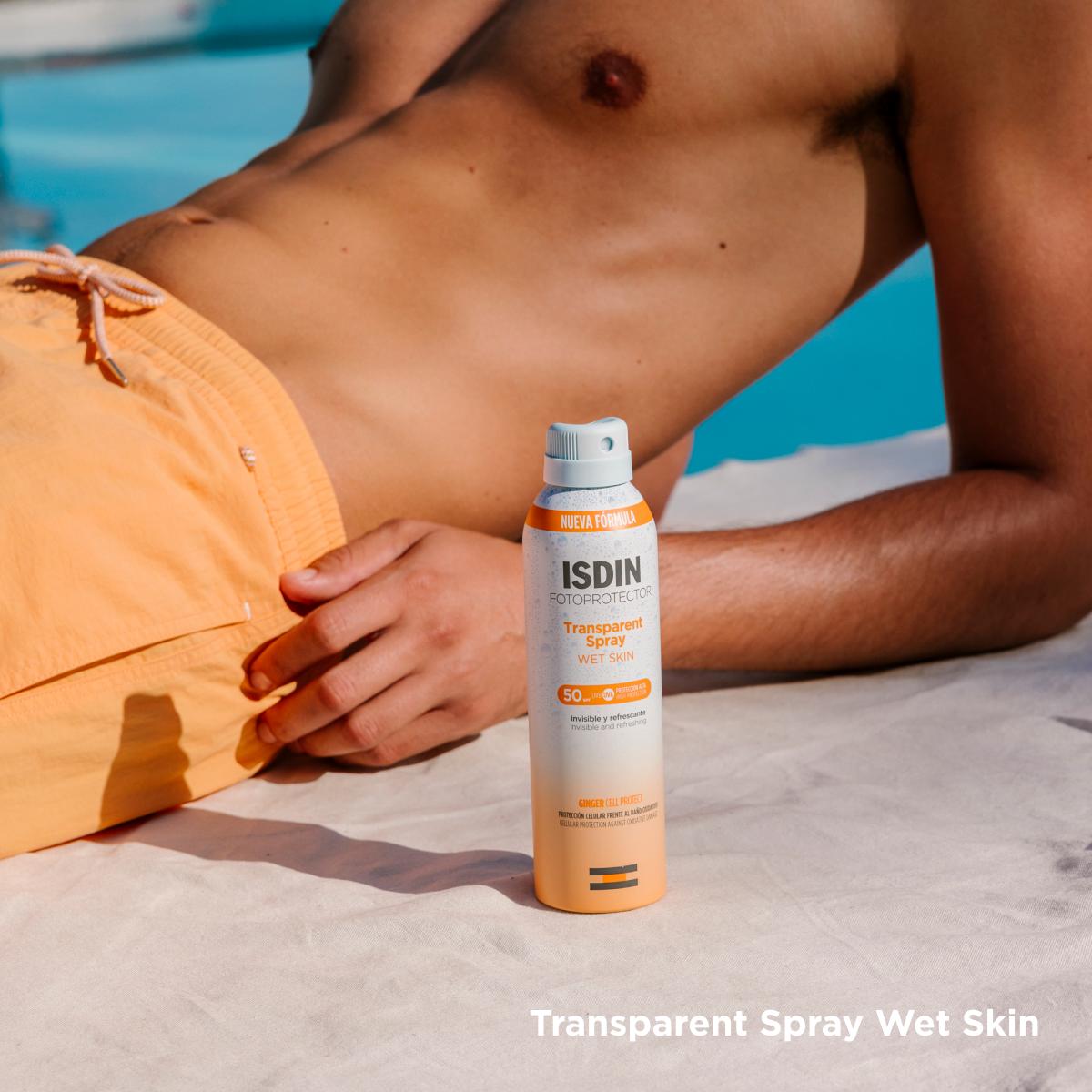
If there’s one product that should always be part of your skincare arsenal, it’s sunscreen, as it’s known as your saving grace for both your face and body. Yet, it’s important to keep in mind that the skin on your face is not the same as the skin on your body.
Using Different Sunscreens For Face and Body
“The skin on the face is thinner than that on the body, so it needs more protection. So, sunscreens for the face need to consider several more elements of formulation than those for the body. Additionally, the care required for each area of the body differs,” explains Karlo Mitchell from ISDIN South Africa.
ISDIN South Africa is a leading brand in dermatology offering advanced sun protection, backed up by clinical evidence and research spanning over 40 years.
The main reason to use separate sunscreens for your face and body is that facial skin is generally more sensitive. Facial sunscreens are usually oil-free, making them gentler and less likely to cause breakouts. They should not be too greasy, leave a significant white cast, or cause eye irritation.
Formulations and Ingredients
When it comes to facial sunscreens, these products are formulated to absorb and blend without being too oily or leaving residue. Featuring common ingredients like silica or tapioca starch to help absorb oil, facial sunscreens may also contain skin-beneficial and anti-aging ingredients.
Body sunscreens provide protection and contain ingredients like coconut esters or shea butter, which may not be suitable for the face.
Picking Body and Face Sunscreens
Body sunscreens may contain jojoba oil, shea butter, coconut esters, silicones, or waxes. This makes them unsuitable for people with acne-prone skin, as these ingredients can clog pores and exacerbate breakouts.
So, how to pick the perfect sunscreen?
For one, always check that your sunscreen of choice offers protection against both UVA and UVB rays.
Now, as it is the hot season, many people may prefer chemical sunscreens for their ease of blending. Yet, mineral sunscreens are recommended for sensitive skin or those prone to rashes. The active ingredients in mineral sunscreens are gentler, helping to avoid irritation around the eyes.
Also, try to pick a sunscreen formulated with eye skin in mind so that it doesn’t irritate the eyes, like the ISDIN Fusion Water SPF. This product comes in three tinted shades, offering natural, all-day coverage. Tinted sunscreens contain iron oxide protects against both blue light and UV light.
As it is a much warmer season, it is important to apply a broad-spectrum sunscreen of at least SPF 30 and to reapply it at least every two hours while in the sun.
“And lastly, ensure that every bare patch of skin is protected when in the sun. Be sure to massage the sunscreen to the hairline and around the mouth, neck, and ears for full coverage,” concludes Karlo Mitchell.
 Pastry Playdates
Leave a comment