
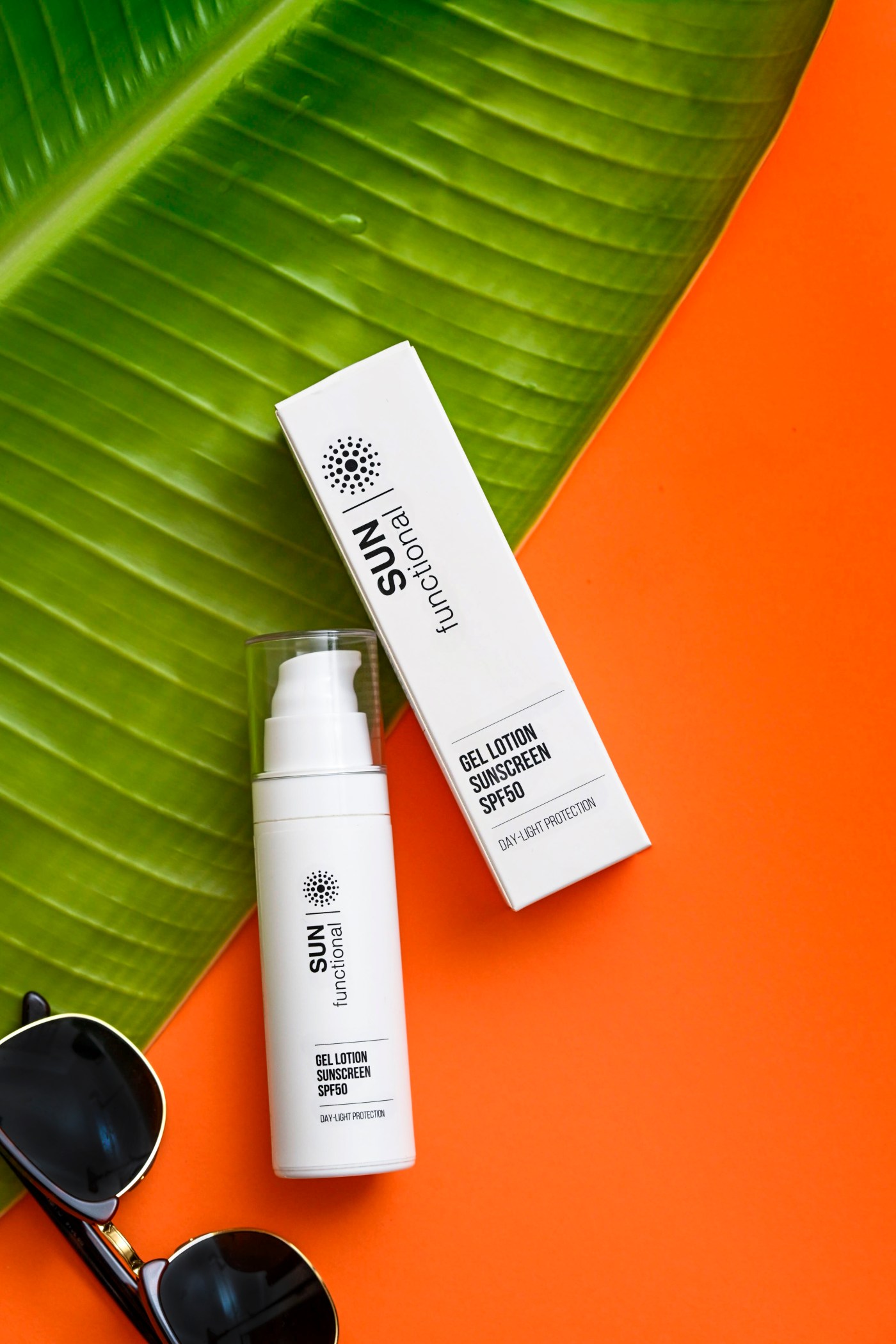
If there’s one skincare step that none of us should be skipping, regardless of skin tone or shade, it’s wearing sunscreen. Ask any licensed dermatologist, and they’ll tell you that wearing sunscreen is the most important thing you can do to help slow down visible signs of ageing and protect your skin.
Choosing The Best Sunscreen
Kevin Khosa, Skin Expert at SKIN functional explained that when it comes to choosing the best facial sunscreen for your skin, there are five questions you need to be asking yourself:
- What is SPF protection factor?
- Is it a mineral or chemical sunscreen?
- What are the active ingredients?
- Consistency?
- Finish?
- What skin types does it suit?
Khosa says that once you know the answers to the above, it does not matter the type of sunscreen you choose. Whether it be a lotion, gel, spray-on, tinted, stick or cream – you will know if you are getting the protection your skin needs or not.
The fact is that the type of sunscreen you pick comes down to your preferences. Yet, the most essential elements are the other four points mentioned above.
Now, this doesn’t mean that you should apply any sunscreen, as it’s vital to pick the best sunscreen for your skin. So, where to start? Well, our good friends over at SKIN Functional recently launched their broad-spectrum Gel Lotion SPF50 Sunscreen, and it’s redefining the way we see gel sunscreens, especially regarding cream and spray-on sunscreens.
Why Pick a Gel Sunscreen?
For one, gel-based-sunscreens are lightweight, non-sticky, non-greasy and easily absorbed into the skin. As a black woman, one of my fears about using sunscreen is the white cast that it leaves on the skin, but with gel-based-sunscreens, their water-based formulations ensure that they don’t create a white cast.
Sunscreen Gel vs. Cream
Gels are recommended for oily and acne-prone skin, as gel-based-sunscreens such as they are lightweight and non-sticky. Gel-based-sunscreens are also non-comedogenic, which means they won’t clog the skin’s pores. They’re also lightweight, which makes them ideal for indoor and outdoor use.
“Experts often recommend sunscreen gels for oily skin and acne-prone skin, as they are less greasy and heavy than creams or lotions. Being lightweight, it quickly gets absorbed into the skin, making them ideal for use during outdoor physical activities or in humid weather.”
says Khosa
Sunscreen creams are usually preferred by those with dry skin as they are usually thicker and more emollient, providing hydration to the skin. These sunscreen creams can be comedogenic, so people with oily and acne-prone skin should use them.
The Best Sunscreen For You
If you have oily skin or acne-prone skin, sunscreen gels are the better choice as they protect the skin from the damaging effects of the sun without making it greasy or clogging the pores.
“Sunscreen should be a part of your morning skincare routine and choose a sunscreen with SPF 50 for protection against the UVA and UVB rays,” says Khosa.
Khosa adds that the most crucial factor when picking a sunscreen is to ensure that it has a enough SPF level for your skin type and activity level and to reapply it regularly throughout the day.
“It’s also a good idea to choose a sunscreen labelled as ‘broad spectrum’, meaning that it protects against both UVA and UVB rays,” concluded Khosa.
 Pastry Playdates
Leave a comment